
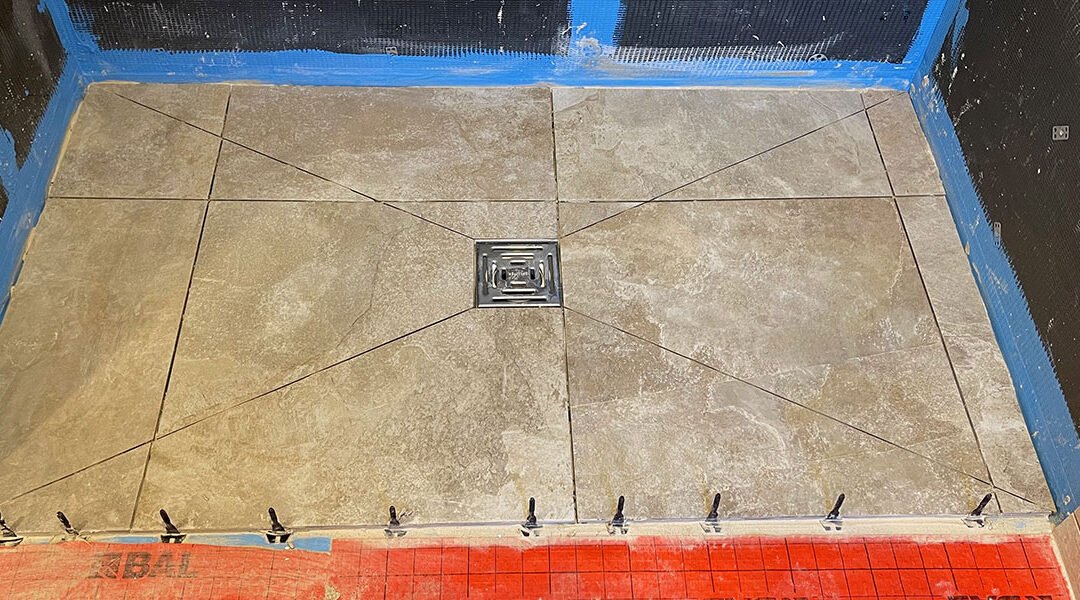
Wet rooms have become increasingly popular in modern homes, offering a sleek, open feel and practical accessibility. However, while they look simple on the surface, a properly installed wet room relies heavily on what happens behind the tiles.
At Wrighte Tiling, we regularly work on wet room installations across Worthing and West Sussex, and one thing is clear — correct preparation is absolutely essential. Without it, even the best-looking wet room can quickly develop leaks, damp issues, or structural damage.
What Is a Wet Room?
A wet room is a fully waterproofed bathroom where the shower area is level with the rest of the floor, usually without a traditional shower tray. Because the entire room is exposed to water, every surface must be properly sealed and prepared before tiling begins.
Unlike standard bathrooms, a wet room relies on a complete waterproof system rather than just tiled surfaces.
Why Proper Preparation Is Critical in Wet Rooms
Water will always find the weakest point. Without the correct preparation, moisture can seep behind tiles, into walls, floors, and even neighbouring rooms.
Common problems caused by poor preparation include:
-
Water damage behind tiles
-
Loose or cracked tiles
-
Damp patches and mould growth
-
Costly structural repairs
Correct preparation protects both the structure of the building and the finish of the tiling itself.
Preparing Walls for a Wet Room
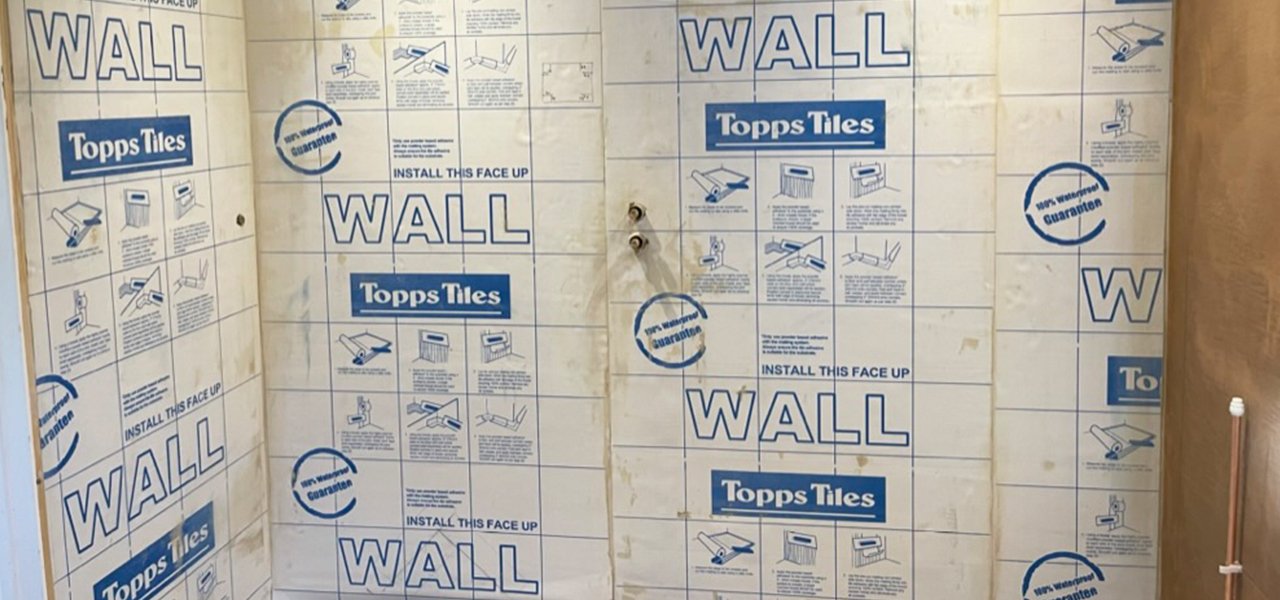
Standard plasterboard is not suitable for wet room walls. Instead, walls must be prepared using moisture-resistant materials designed for wet environments.
Typical preparation includes:
-
Installing cement-based tile backer boards
-
Ensuring all boards are securely fixed and flush
-
Reinforcing corners and joints
-
Sealing penetrations for pipework
This creates a stable, water-resistant surface ready for tanking.
Floor Preparation and Drainage
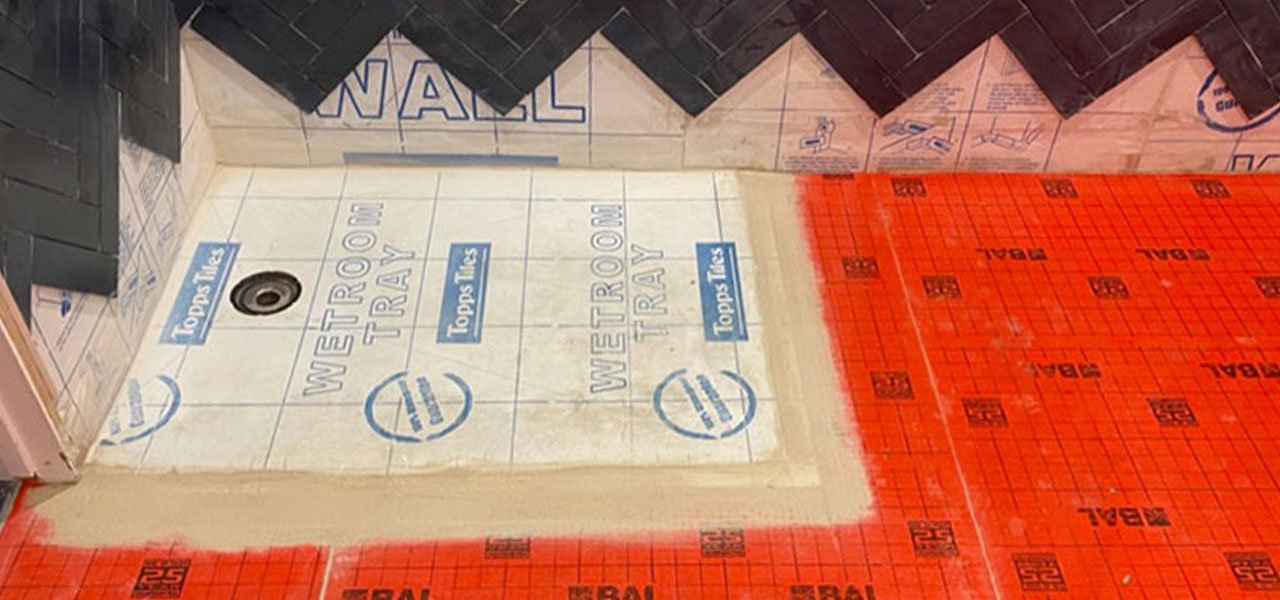
The floor is one of the most critical elements of any wet room. It must be properly formed to allow water to drain efficiently without pooling.
Key considerations include:
-
Creating the correct fall towards the drain
-
Using a compatible shower former or screed system
-
Ensuring the subfloor is rigid and level
-
Installing a suitable drainage system
Any mistakes at this stage can result in standing water or long-term leaks.
Waterproof Tanking Systems Explained
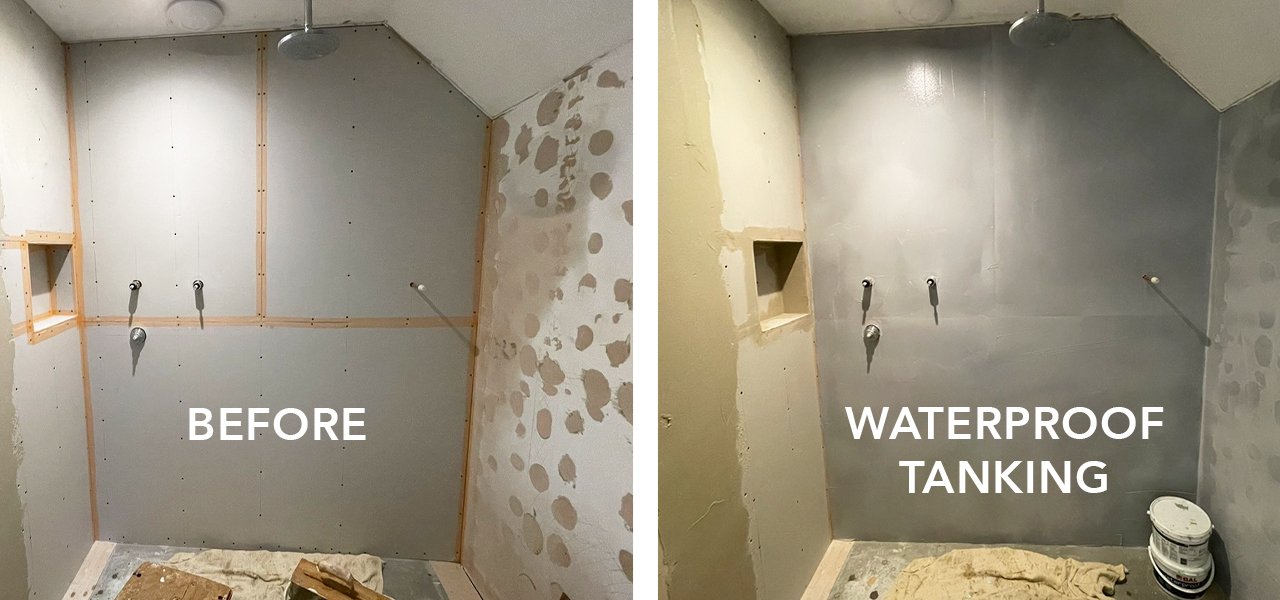
Tanking is the process of creating a fully waterproof barrier behind the tiles. It is essential in all wet rooms and shower areas.
A professional tanking system usually includes:
-
A waterproof primer
-
Liquid or sheet membrane
-
Reinforcing tape for joints and corners
-
Sealing around drains and pipe penetrations
Once applied and cured, the entire area becomes watertight, protecting the structure behind the tiles.
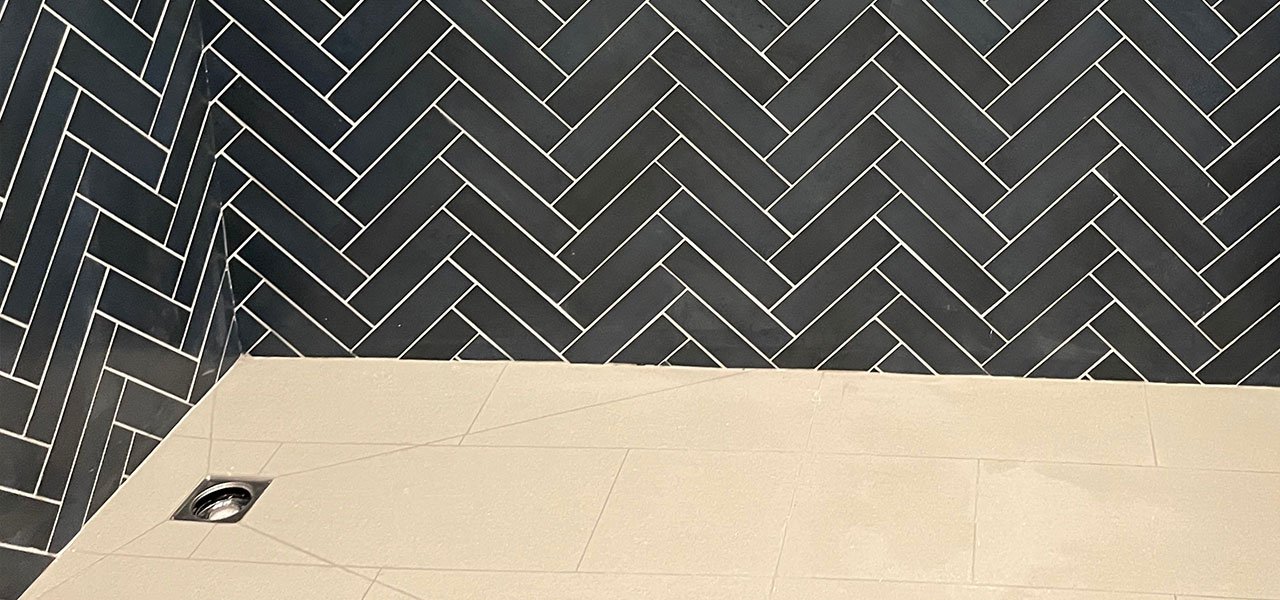
Tiling a Wet Room the Right Way
After tanking is complete, tiles can be installed using suitable flexible adhesives and grout. The choice of tile size, grout type, and layout all play a role in both performance and appearance.
Smaller tiles or mosaics are often used on wet room floors, as they follow gradients more easily and provide better slip resistance.
Wet Room Installation in Worthing
If you’re planning a wet room in Worthing or the surrounding West Sussex area, expert preparation makes all the difference.
At Wrighte Tiling, we specialise in professional wet room installations, ensuring every stage — from waterproofing to tiling — is completed to the highest standard.
Looking for a Professional Tiler in Worthing or West Sussex?
Whether you’re renovating a bathroom, fitting a wet room, or updating a kitchen, Wrighte Tiling provides expert workmanship and honest advice from start to finish.
Get in touch today to discuss your project or arrange a free site visit & quote.
Call or use the email link/button below.
📞 CALL: 07786 372 740
More Info/Articles Below ....

Choosing the Right Tiles for Your Home in Worthing
Choosing the right tiles for your home is about more than just colour or style. The type of tile you select plays a big role in durability, maintenance, and how well your space functions long term. At Wrighte Tiling, we help homeowners across Worthing and West Sussex...
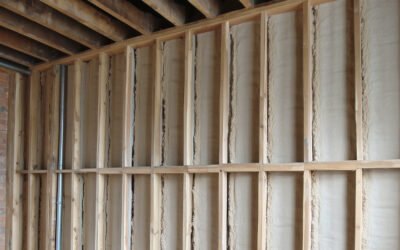
Tiling on Stud Walls: What Homeowners & Builders Need to Know
Stud walls are commonly used in modern homes and extensions, offering flexibility in layout and construction. However, when it comes to tiling, stud walls require careful preparation to ensure the finished surface is strong, stable, and long-lasting. At Wrighte...
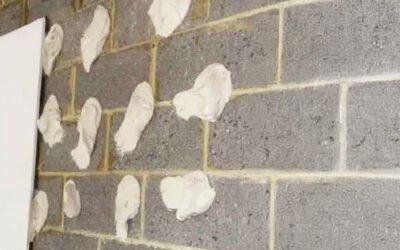
Dot & Dab Walls – Can You Tile Over Them Safely?
Dot and dab plasterboard is commonly used in modern homes and renovations, but it often raises questions when it comes to tiling. Many homeowners ask whether tiles can be fixed directly to dot and dab walls — and the answer depends on several important factors. At...
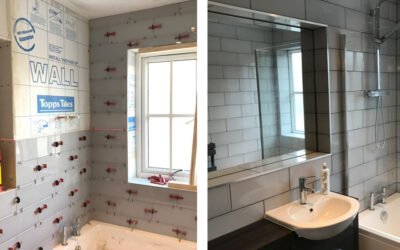
Bathroom Tiling in Worthing: How to Prepare Walls for a Long-Lasting Finish
When it comes to bathroom renovations, good preparation is just as important as the tiles themselves. Bathrooms are exposed to high levels of moisture, steam, and temperature changes, which means the walls behind your tiles must be correctly prepared to avoid future...
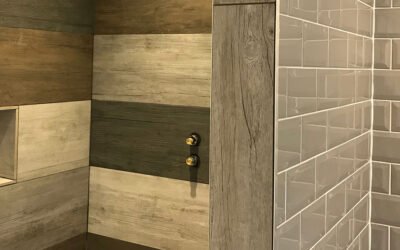
Professional Wall Preparation for Tiling in Worthing
When it comes to achieving a high-quality tiled finish, the most important work happens before the first tile is laid. Proper wall preparation is the foundation of any successful tiling project, whether you’re renovating a bathroom, upgrading a kitchen, or fitting out...