
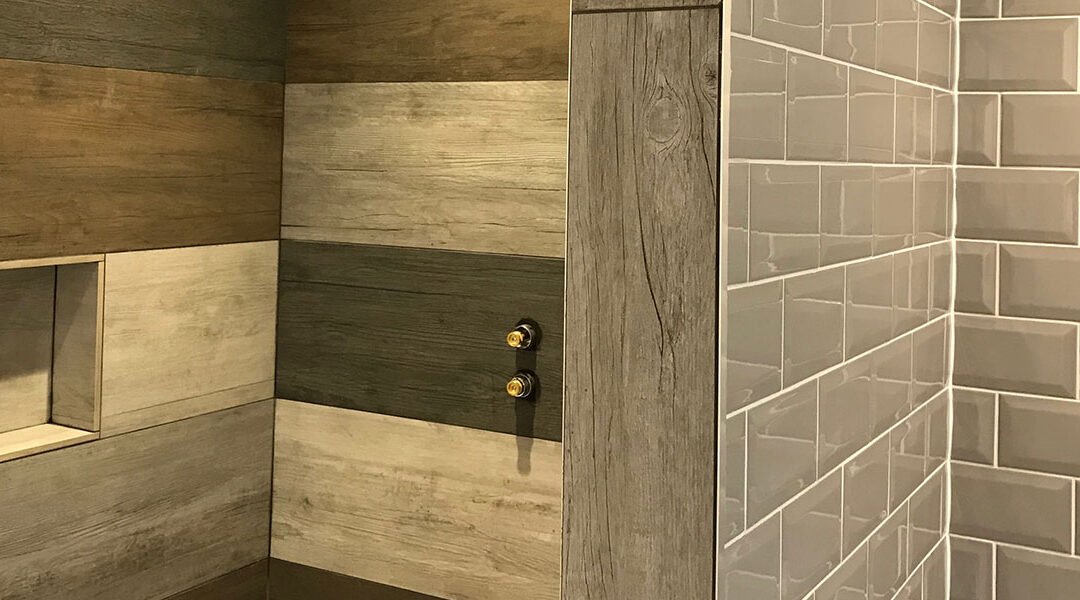
When it comes to achieving a high-quality tiled finish, the most important work happens before the first tile is laid. Proper wall preparation is the foundation of any successful tiling project, whether you’re renovating a bathroom, upgrading a kitchen, or fitting out a new build.
At Wrighte Tiling, we regularly see issues caused by poor preparation — loose tiles, cracking grout, uneven finishes and moisture damage — all of which could have been avoided with the correct groundwork. This guide explains what professional wall preparation involves and why it’s essential for long-lasting results.
Why Wall Preparation Matters
Tiles are only as good as the surface they’re fixed to. Even the highest-quality tiles and adhesives will fail if the wall underneath isn’t stable, flat, and suitable for tiling.
Correct wall preparation ensures:
-
Strong, long-lasting adhesion
-
Flat, professional-looking tile lines
-
Reduced risk of cracking or movement
-
Protection against moisture damage
-
A better overall finish
Whether you’re tiling a bathroom, kitchen, hallway or commercial space, preparation should never be rushed.
Assessing the Wall Condition
Before any work begins, the wall must be assessed properly. This includes checking for:
-
Loose or blown plaster
-
Uneven or bowed surfaces
-
Cracks or movement
-
Signs of damp or moisture
-
Previous paint, wallpaper, or adhesive residue
At Wrighte Tiling, we assess each wall individually to determine the correct preparation method rather than using a one-size-fits-all approach.
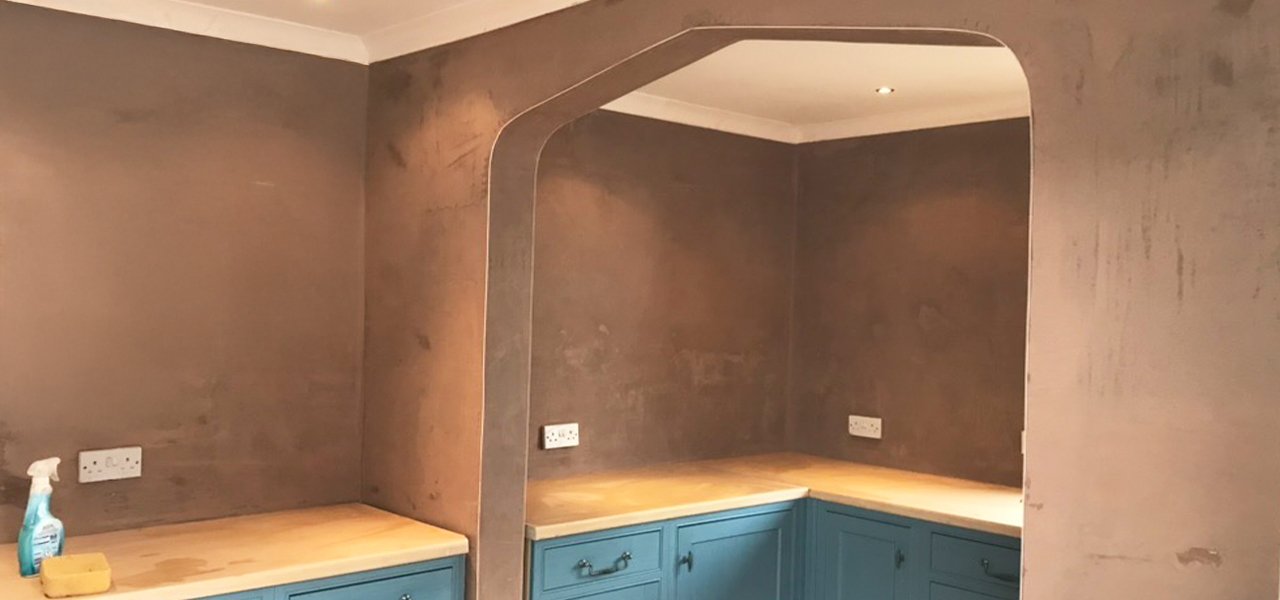
Wall Plastering for Tiling
Plastered walls are common in both older and modern homes, but not all plastered surfaces are immediately suitable for tiling.
Fresh plaster must be:
-
Fully dry (usually 2–4 weeks depending on conditions)
-
Free from dust and contamination
-
Lightly keyed or primed to aid adhesion
Highly polished or dusty plaster can prevent tile adhesive from bonding correctly. Applying the correct primer or bonding agent is essential to create a secure surface.
Dot & Dab Plasterboard Walls
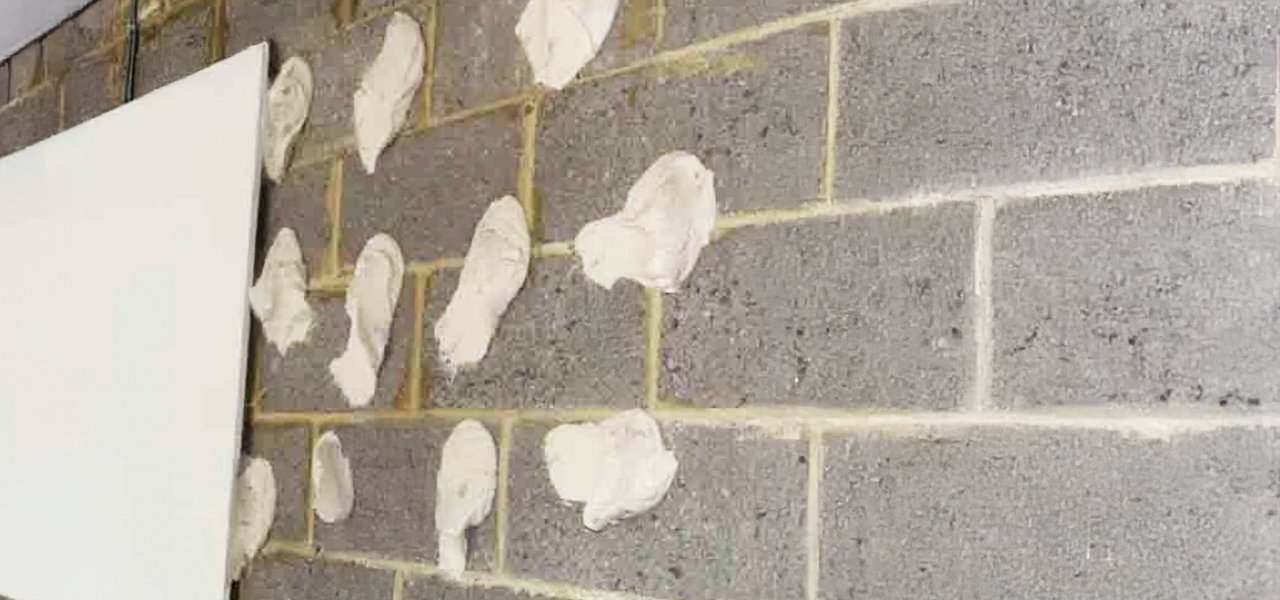
Dot and dab plasterboard is widely used in modern construction, but it requires careful consideration before tiling.
Because boards are fixed using adhesive dabs, voids can exist behind the wall. These voids can cause movement if heavy tiles are applied without proper support.
Best practice includes:
-
Checking for movement or hollow areas
-
Avoiding heavy tiles unless the wall is reinforced
-
Using appropriate tile adhesives designed for plasterboard
In some cases, upgrading to a tile backer board is the safest option.
Preparing Stud and Partition Walls
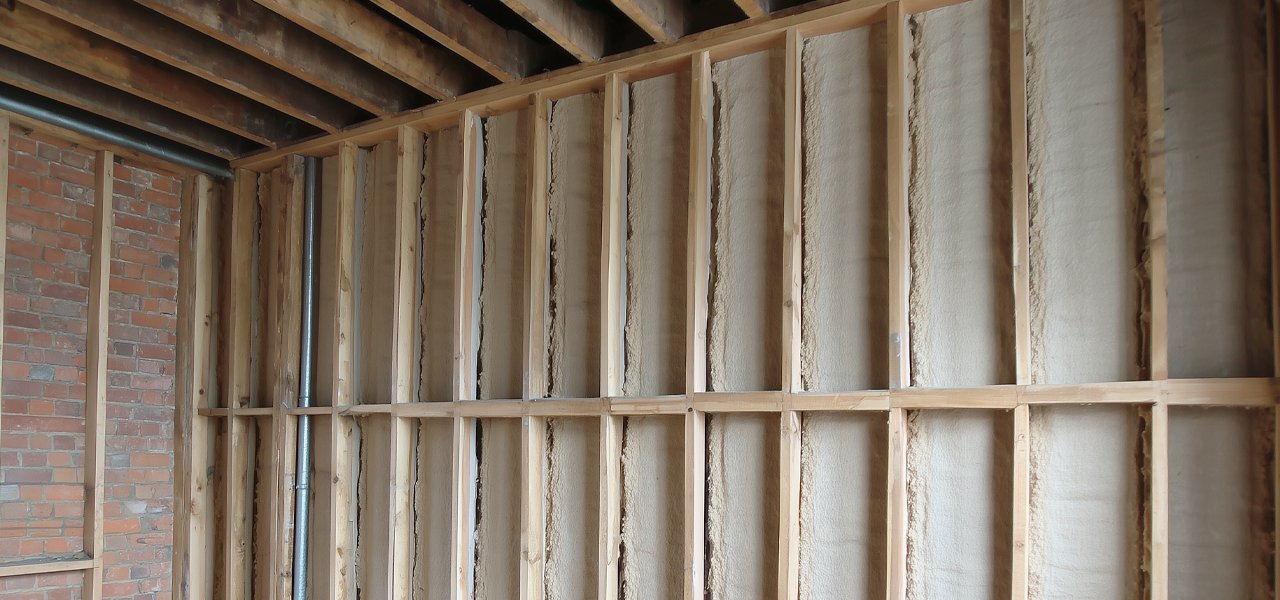
Stud walls are common in bathrooms, en-suites and new builds, but they must be prepared correctly to handle the weight of tiles.
Key preparation steps include:
-
Ensuring studs are spaced correctly
-
Adding noggins or reinforcements where required
-
Installing cement-based tile backer boards rather than standard plasterboard
This creates a rigid, moisture-resistant surface that prevents flexing and cracking over time.
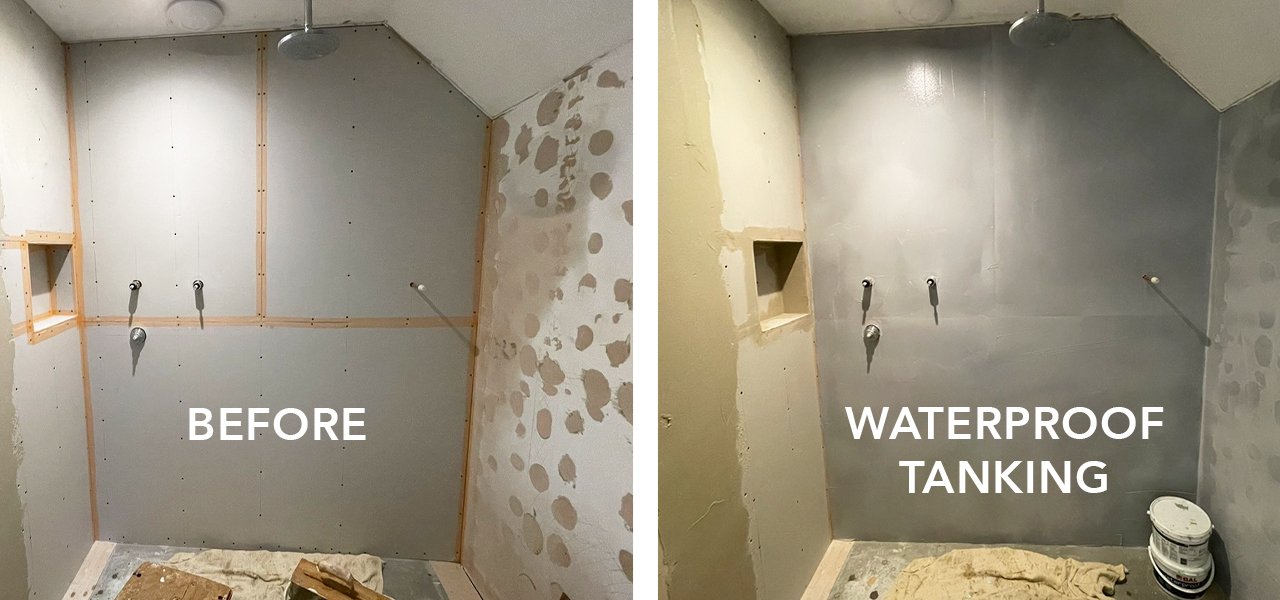
Waterproofing and Tanking Systems
In wet areas such as showers, wet rooms and around baths, waterproofing is essential. Tiling alone is not waterproof — the protection comes from what’s behind it.
A professional tanking system typically includes:
-
Waterproof primer
-
Liquid or sheet membrane
-
Reinforced corners and joints
This creates a sealed barrier that protects the structure beneath the tiles and helps prevent long-term water damage.
Why Professional Preparation Matters
Proper wall preparation isn’t just about appearance — it protects your investment. Poor preparation often leads to loose tiles, cracked grout, water ingress and costly repairs later on.
At Wrighte Tiling, we take the time to prepare every surface correctly, using the right materials and proven methods to ensure a durable, long-lasting finish.
Looking for a Professional Tiler in Worthing or West Sussex?
Whether you’re renovating a bathroom, fitting a wet room, or updating a kitchen, Wrighte Tiling provides expert workmanship and honest advice from start to finish.
Get in touch today to discuss your project or arrange a free site visit & quote.
Call or use the email link/button below.
📞 CALL: 07786 372 740
More Info/Articles Below ....

Choosing the Right Tiles for Your Home in Worthing
Choosing the right tiles for your home is about more than just colour or style. The type of tile you select plays a big role in durability, maintenance, and how well your space functions long term. At Wrighte Tiling, we help homeowners across Worthing and West Sussex...
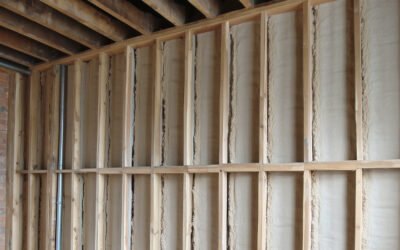
Tiling on Stud Walls: What Homeowners & Builders Need to Know
Stud walls are commonly used in modern homes and extensions, offering flexibility in layout and construction. However, when it comes to tiling, stud walls require careful preparation to ensure the finished surface is strong, stable, and long-lasting. At Wrighte...
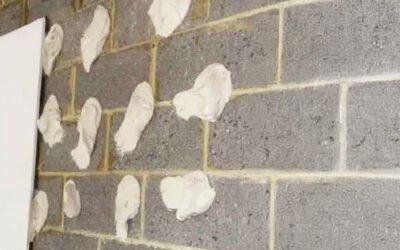
Dot & Dab Walls – Can You Tile Over Them Safely?
Dot and dab plasterboard is commonly used in modern homes and renovations, but it often raises questions when it comes to tiling. Many homeowners ask whether tiles can be fixed directly to dot and dab walls — and the answer depends on several important factors. At...
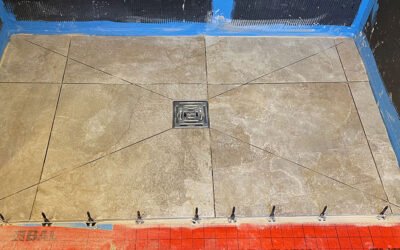
Wet Rooms Explained: How to Prepare Walls and Floors Properly
Wet rooms have become increasingly popular in modern homes, offering a sleek, open feel and practical accessibility. However, while they look simple on the surface, a properly installed wet room relies heavily on what happens behind the tiles. At Wrighte Tiling, we...
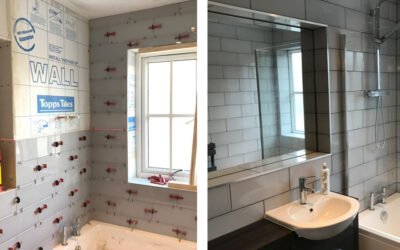
Bathroom Tiling in Worthing: How to Prepare Walls for a Long-Lasting Finish
When it comes to bathroom renovations, good preparation is just as important as the tiles themselves. Bathrooms are exposed to high levels of moisture, steam, and temperature changes, which means the walls behind your tiles must be correctly prepared to avoid future...