
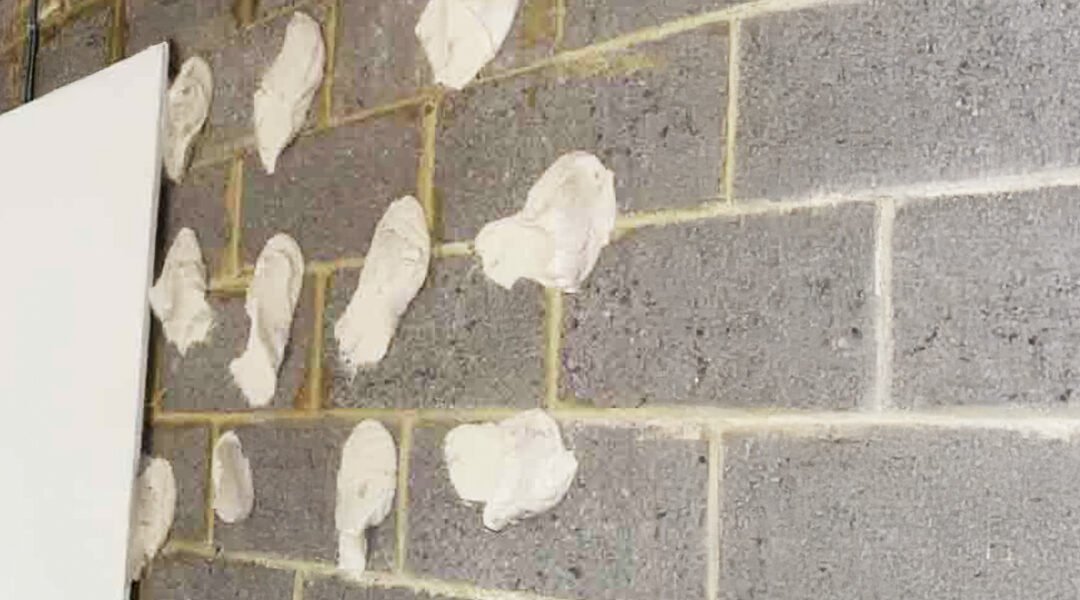
Dot and dab plasterboard is commonly used in modern homes and renovations, but it often raises questions when it comes to tiling. Many homeowners ask whether tiles can be fixed directly to dot and dab walls — and the answer depends on several important factors.
At Wrighte Tiling, we regularly assess dot and dab walls across Worthing and West Sussex to determine whether they’re suitable for tiling or if additional preparation is needed.
What Is Dot and Dab Plasterboarding?
Dot and dab is a method of fixing plasterboard to masonry walls using adhesive “dabs” rather than full plastering. It’s a fast and cost-effective way to create smooth internal walls, especially in modern builds.
However, because the plasterboard isn’t fully bonded to the wall behind, voids can exist between the board and the masonry — and this plays a major role in whether it’s suitable for tiling.
Can You Tile Directly Onto Dot and Dab Walls?
In some cases, yes — but only under the right conditions.
Tiling directly onto dot and dab walls may be suitable if:
-
The plasterboard is firmly fixed with no movement
-
The tiles are lightweight (such as ceramic wall tiles)
-
The wall is not exposed to excessive moisture
-
The correct adhesive is used
However, heavy tiles or natural stone can place too much stress on the board, leading to movement, cracked grout, or tiles coming loose.
Common Problems with Dot & Dab Tiling
When dot and dab walls are not prepared correctly, several issues can arise:
-
Hollow spots behind tiles
-
Cracked grout or tile edges
-
Tiles becoming loose over time
-
Water ingress in bathrooms or kitchens
These problems often occur because the wall lacks sufficient support or moisture protection.
When Extra Preparation Is Needed
In many cases, additional preparation is the safest approach. This may include:
-
Removing plasterboard and installing cement tile backer boards
-
Adding mechanical fixings through the boards into masonry
-
Applying waterproof tanking in wet areas
-
Strengthening the wall where heavy tiles or fixtures are planned
These steps ensure the wall is strong enough to support tiled finishes long term.
Dot & Dab Walls in Bathrooms and Wet Areas
Bathrooms require extra care. Standard plasterboard is not suitable for areas exposed to water, such as showers or bath surrounds.
For these areas, professional preparation may involve:
-
Removing existing plasterboard
-
Installing moisture-resistant or cement-based boards
-
Fully tanking the surface before tiling
This approach dramatically reduces the risk of moisture damage behind the tiles.
Professional Advice Makes the Difference
Every wall is different, and what works in one property may not be suitable in another. At Wrighte Tiling, we assess each surface individually and recommend the safest, most durable solution based on the type of wall, tile choice, and room use.
Looking for a Professional Tiler in Worthing or West Sussex?
Whether you’re renovating a bathroom, fitting a wet room, or updating a kitchen, Wrighte Tiling provides expert workmanship and honest advice from start to finish.
Get in touch today to discuss your project or arrange a free site visit & quote.
Call or use the email link/button below.
📞 CALL: 07786 372 740
More Info/Articles Below ....

Choosing the Right Tiles for Your Home in Worthing
Choosing the right tiles for your home is about more than just colour or style. The type of tile you select plays a big role in durability, maintenance, and how well your space functions long term. At Wrighte Tiling, we help homeowners across Worthing and West Sussex...
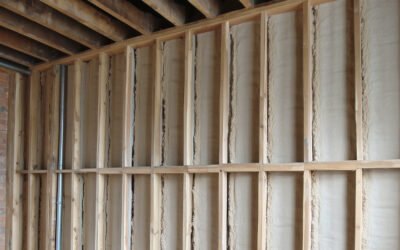
Tiling on Stud Walls: What Homeowners & Builders Need to Know
Stud walls are commonly used in modern homes and extensions, offering flexibility in layout and construction. However, when it comes to tiling, stud walls require careful preparation to ensure the finished surface is strong, stable, and long-lasting. At Wrighte...
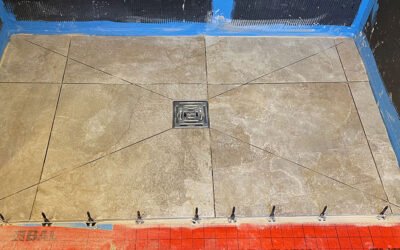
Wet Rooms Explained: How to Prepare Walls and Floors Properly
Wet rooms have become increasingly popular in modern homes, offering a sleek, open feel and practical accessibility. However, while they look simple on the surface, a properly installed wet room relies heavily on what happens behind the tiles. At Wrighte Tiling, we...
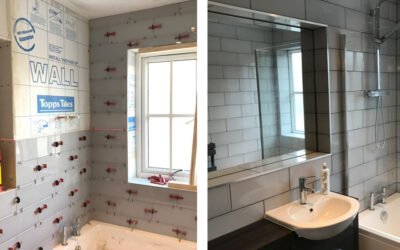
Bathroom Tiling in Worthing: How to Prepare Walls for a Long-Lasting Finish
When it comes to bathroom renovations, good preparation is just as important as the tiles themselves. Bathrooms are exposed to high levels of moisture, steam, and temperature changes, which means the walls behind your tiles must be correctly prepared to avoid future...
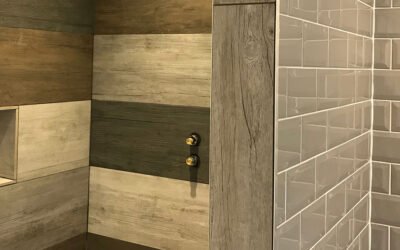
Professional Wall Preparation for Tiling in Worthing
When it comes to achieving a high-quality tiled finish, the most important work happens before the first tile is laid. Proper wall preparation is the foundation of any successful tiling project, whether you’re renovating a bathroom, upgrading a kitchen, or fitting out...