
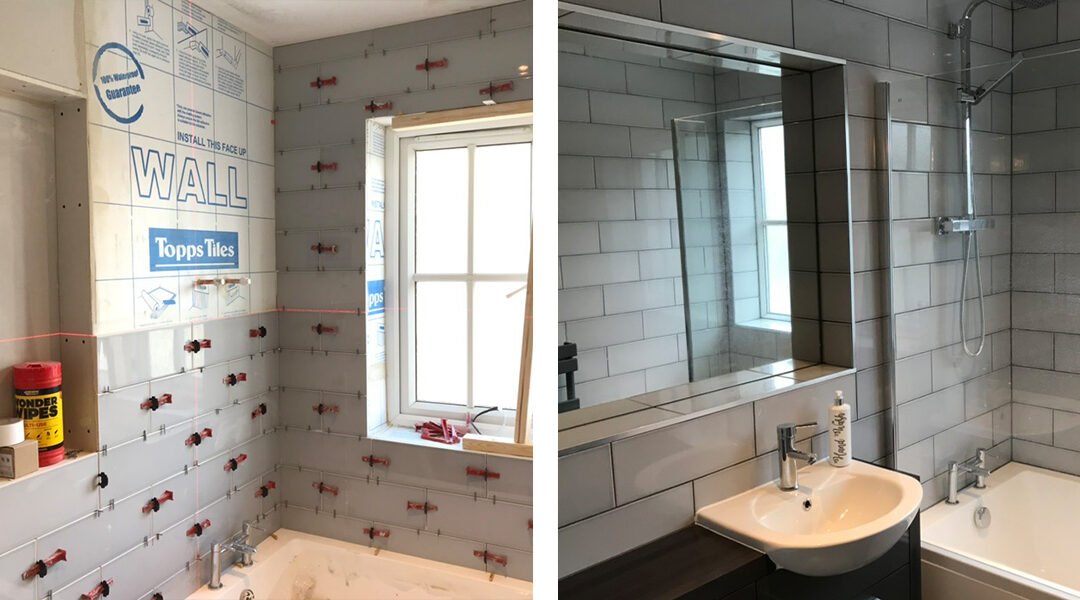
When it comes to bathroom renovations, good preparation is just as important as the tiles themselves. Bathrooms are exposed to high levels of moisture, steam, and temperature changes, which means the walls behind your tiles must be correctly prepared to avoid future problems.
At Wrighte Tiling, we regularly work with homeowners across Worthing and West Sussex who want a bathroom that not only looks great but lasts for years. Proper wall preparation is the key to achieving that.
Why Wall Preparation Is So Important in Bathrooms
Bathrooms are one of the most demanding areas in any home. Without the correct preparation, even high-quality tiles can fail over time.
Poor wall preparation can lead to:
-
Loose or cracked tiles
-
Failing grout lines
-
Water penetration behind tiles
-
Mould and damp issues
-
Costly repairs later on
Taking the time to prepare bathroom walls correctly ensures a solid, long-lasting finish and protects the structure behind the tiles.
Assessing the Condition of Bathroom Walls
Before any tiling work begins, the existing wall condition must be assessed. This includes checking for:
-
Damp or water damage
-
Cracked or hollow plaster
-
Uneven or bowed surfaces
-
Old tile adhesive or paint residues
Any underlying issues should be dealt with before tiling begins. Tiling over damaged or unstable surfaces almost always leads to problems later on.
Plastered Walls and Bathroom Tiling
Plastered walls are common in bathrooms, but they must be handled carefully. Fresh plaster should be fully dry before tiling — this can take several weeks depending on ventilation and conditions.
For best results:
-
Plaster should be clean, dry, and free from dust
-
A suitable primer or bonding agent should be applied
-
Highly polished plaster may need light abrasion
This ensures strong adhesion between the wall and tile adhesive.
Tiling Over Plasterboard in Bathrooms
Standard plasterboard can be used in some bathroom areas, but it’s not suitable for all locations.
Plasterboard can only be used in the areas below if it has a professional waterproof tanking system, otherwise it should not be used in:
-
Shower enclosures
-
Wet rooms
-
Areas exposed to direct water spray
In these areas, moisture-resistant boards or tile backer boards are a far better option. They provide improved durability and reduce the risk of water damage behind the tiles.
The Importance of Waterproofing (Tanking)
One of the most critical steps in bathroom preparation is waterproofing. Tiles themselves are not waterproof — it’s what sits behind them that protects your walls.
A professional tanking system typically includes:
-
A waterproof primer
-
Liquid membrane or sheet membrane
-
Reinforced corners, joints, and pipe penetrations
At Wrighte Tiling, we ensure all wet areas are fully tanked before tiling begins, providing long-term protection and peace of mind.
Achieving a Professional Finish
Good preparation doesn’t just protect your bathroom — it also improves the final appearance. Flat, well-prepared walls allow for:
-
Even grout lines
-
Cleaner tile edges
-
A more professional, high-end finish
Rushing preparation often leads to visible imperfections that can’t be hidden once the tiles are installed.
Why Professional Preparation Matters
Proper wall preparation isn’t just about appearance — it protects your investment. Poor preparation often leads to loose tiles, cracked grout, water ingress and costly repairs later on.
At Wrighte Tiling, we take the time to prepare every surface correctly, using the right materials and proven methods to ensure a durable, long-lasting finish.
Looking for a Professional Tiler in Worthing or West Sussex?
Whether you’re renovating a bathroom, fitting a wet room, or updating a kitchen, Wrighte Tiling provides expert workmanship and honest advice from start to finish.
Get in touch today to discuss your project or arrange a free site visit & quote.
Call or use the email link/button below.
📞 CALL: 07786 372 740
More Info/Articles Below ....

Choosing the Right Tiles for Your Home in Worthing
Choosing the right tiles for your home is about more than just colour or style. The type of tile you select plays a big role in durability, maintenance, and how well your space functions long term. At Wrighte Tiling, we help homeowners across Worthing and West Sussex...
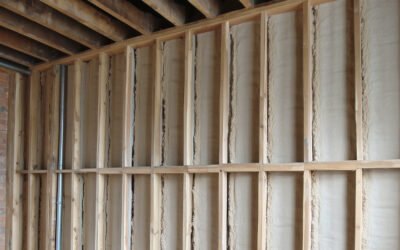
Tiling on Stud Walls: What Homeowners & Builders Need to Know
Stud walls are commonly used in modern homes and extensions, offering flexibility in layout and construction. However, when it comes to tiling, stud walls require careful preparation to ensure the finished surface is strong, stable, and long-lasting. At Wrighte...
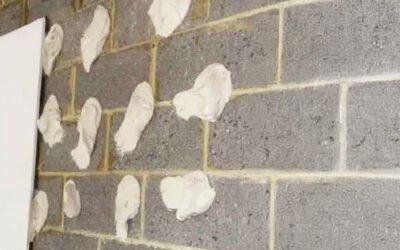
Dot & Dab Walls – Can You Tile Over Them Safely?
Dot and dab plasterboard is commonly used in modern homes and renovations, but it often raises questions when it comes to tiling. Many homeowners ask whether tiles can be fixed directly to dot and dab walls — and the answer depends on several important factors. At...
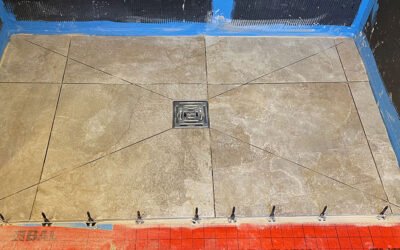
Wet Rooms Explained: How to Prepare Walls and Floors Properly
Wet rooms have become increasingly popular in modern homes, offering a sleek, open feel and practical accessibility. However, while they look simple on the surface, a properly installed wet room relies heavily on what happens behind the tiles. At Wrighte Tiling, we...
Professional Wall Preparation for Tiling in Worthing
When it comes to achieving a high-quality tiled finish, the most important work happens before the first tile is laid. Proper wall preparation is the foundation of any successful tiling project, whether you’re renovating a bathroom, upgrading a kitchen, or fitting out...